Walker Font: A Bold Display Typeface for Business Branding
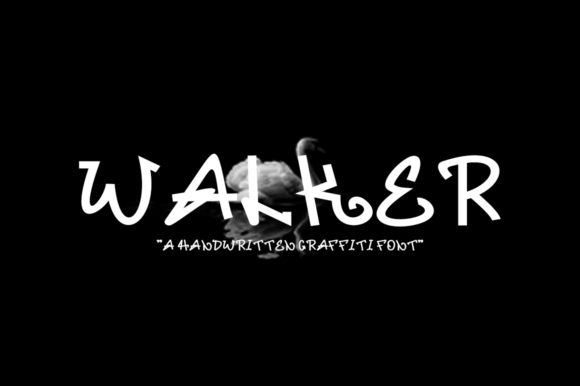
As a small business owner, I’ve learned that every visual detail counts when it comes to building a brand. One often-overlooked element is typography. The right font can make your brand feel cohesive, professional, and instantly recognizable. That’s where Walker comes in—a graffiti-styled display font that adds a street art edge to any design without sacrificing readability.
Walker isn’t just another decorative font. Its bold, urban aesthetic makes it ideal for brands that want to stand out in competitive markets. Whether you're launching a boutique, designing product packaging, or creating social media content, Walker adds a modern, expressive touch that feels intentional and on-brand.
Why Visual Consistency Matters for Small Businesses
Inconsistent branding can make even the best products seem unprofessional. When your font changes from your logo to your packaging to your website, it confuses customers and weakens brand recognition. Using a consistent typeface like Walker across all customer-facing materials helps your business feel polished and intentional.
Imagine using Walker on your product labels, then carrying that same font into your Instagram stories and email headers. Over time, customers begin to associate that visual style with your brand, building trust and familiarity. That’s the power of a well-chosen font.
Real-World Uses for Walker in Business Design
Walker works best as a display or headline font, making it perfect for high-impact design elements. Here are some practical ways I’ve used it in my own business:
- Logo design – Especially for brands with an edgy, contemporary vibe
- Packaging design – Adds personality to product boxes, stickers, and hang tags
- Social media graphics – Stands out on Instagram posts and Pinterest pins
- Business cards – Makes a strong first impression with bold typography
- Menu design – Works well for café names, drink titles, or special offers
If you run a boutique, sell handmade candles, or manage a specialty coffee shop, Walker can help you create visuals that feel fresh and memorable.
When to Use Walker (and When to Pair It)
Because Walker is a display font, I recommend using it for headlines, logos, and accents rather than long blocks of text. Pairing it with a clean sans serif or serif font creates a balanced design that’s both expressive and easy to read.
For example, use Walker for your brand name on packaging, then pair it with a simple sans serif like Montserrat or Open Sans for ingredient lists or descriptions. On your website, apply Walker in banners or call-to-action buttons, and use a readable font for body text.
Readability in Real Business Settings
I’ve made the mistake of choosing a font that looked great on screen but became illegible on product tags or mobile devices. Walker holds up well in most real-world applications, but I always test it at different sizes before printing or publishing.
When using Walker on small labels or digital thumbnails, make sure the text is large enough to read at a glance. If you're using it in web design, check how it renders on both desktop and mobile browsers. A little testing goes a long way toward ensuring your brand stays clear and professional.
How to Test Walker Before Committing
Before applying Walker across your entire brand, test it in a few key places. Try it on a mockup of your product label, create a sample social media post, or draft a simple logo variation. Show it to trusted customers or peers to see if it feels aligned with your brand personality.
Many font platforms offer preview tools where you can see how Walker looks with your brand name or tagline. Use these tools to get a realistic sense of how the font will perform in actual business materials before purchasing a commercial license.
Font Licensing: A Must-Check for Business Owners
When you’re buying a font like Walker for business use, always check the licensing terms. Some fonts are free for personal use but require a paid license for commercial applications like product packaging, merchandise, or client work.
If you're selling templates, digital downloads, or branded products, make sure your font license covers those uses. Reputable font marketplaces like Creative Market, MyFonts, and Adobe Fonts clearly state what’s allowed under each license type. Ignoring this step can lead to legal issues down the road.
Creating a Cohesive Brand Identity with Typography
Typography isn’t just about making things look pretty—it’s about communication. When you choose a font like Walker, you're telling your audience something about your brand's personality. Is your business bold and modern? Fun and artistic? Then Walker could be the perfect visual fit.
Think of your brand as a story, and your font as part of the language you use to tell it. Using Walker consistently across your logo, packaging, and website helps reinforce that story every time a customer interacts with your brand.